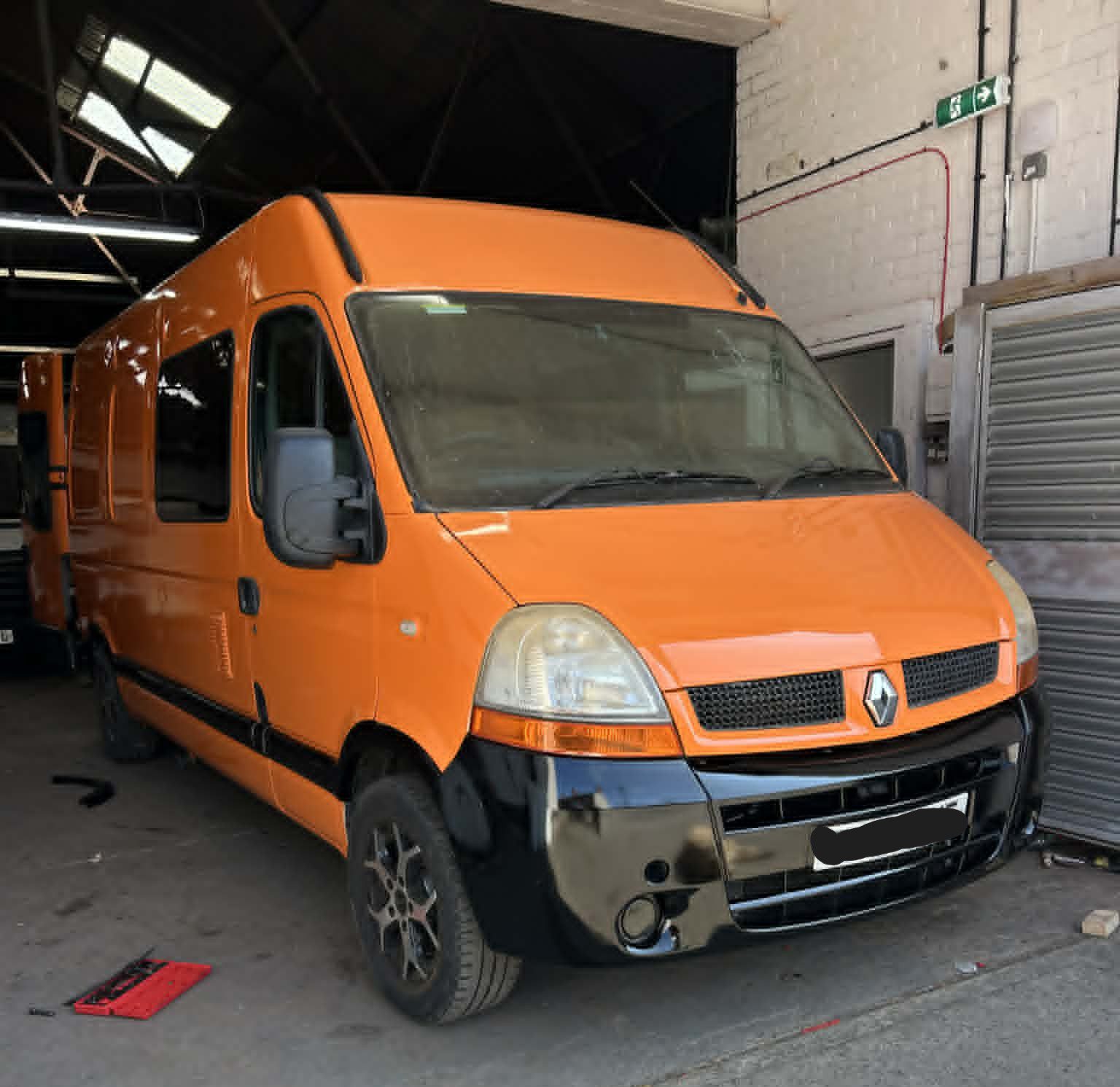
A poorly converted van can look exciting at first glance. However, once you start using it, the problems soon appear. Lights do not work properly. Sockets feel unreliable. The battery setup makes no sense. Before long, your dream camper starts feeling like a bit of a headache.
This customer brought their van to Kinmel Campers after discovering that the electrics were basically non-existent. The conversion had already been started elsewhere, but the electrical side needed serious attention. So, this campervan electrical system North Wales project became a full rectification job.
Our team stripped back the problems, made the system usable, and fitted a new working setup. The van now has a split charge relay, 240V hook-up, a proper 12V system, two flexible solar panels and fresh new flooring. In short, it now works as a campervan should.
This is exactly the sort of job we see often. A van may look converted, but that does not mean it has been converted properly. Thankfully, with the right workshop and a sensible plan, we can bring things back under control.
When a Campervan Conversion Looks Finished but Does Not Work Properly
Buying or inheriting a poorly converted campervan can feel frustrating. From the outside, it may look nearly ready for weekends away. Inside, it may even have a bed, a kitchen unit and a few switches. However, the problems often sit behind the panels.
That was the issue with this van. The customer came to us because the electrics did not work as they should. In fact, the electrical system was close to non-existent. That meant the van could not support normal camper use with confidence.
A proper campervan needs more than a few wires and switches. It needs a safe and practical 12V system for everyday use. It also needs sensible charging, clear controls and reliable power management. Without that, you will always feel unsure about what the van can handle.
For this campervan electrical system North Wales job, we had to correct the basics first. Then we could build a setup that made sense for the customer’s needs.
At Kinmel Campers, we do not just make vans look good for photos. We care about how they work on wet weekends, long drives and overnight stops. That is where a proper conversion earns its keep.
The Main Problems With Poor Campervan Electrics
Poor campervan electrics can cause all sorts of issues. Some problems feel annoying. Others can become expensive or unsafe if left alone.
The most common issue is confusion. Owners often do not know what charges the leisure battery, which sockets work, or whether the system can handle their appliances. That takes the joy out of using the van.
In some cases, the setup does not charge properly while driving. In others, the 12V side has been fitted badly, with no clear layout or sensible control point. You may also find loose connections, poor cable routing or parts that simply do not belong in a campervan.
A campervan electrical system should feel simple to use. You should know how to charge the battery, how to run your lights and how to connect to hook-up when needed.
This van needed that clarity. So, we focused on giving the customer a working, practical system. We fitted a split charge relay, added 240V hook-up, rebuilt the 12V side and installed two flexible solar panels.
As a result, the van now has several ways to support off-grid and campsite use. It can charge while driving, connect to mains power on site and make use of solar during the day.
If you are planning a wider build, you can also look at our campervan conversion packages. They show how we approach practical, usable conversions from the start.
Building a Proper Campervan Electrical System North Wales Drivers Can Trust
A good campervan electrical system does not need to be overcomplicated. However, it does need to suit the way you use your van. Weekend trips, campsite holidays and longer road trips all need slightly different setups.
For this project, the goal was clear. The customer needed a reliable system that made the van usable again. They did not need unnecessary gadgets or confusing extras. They needed the essentials done properly.
We installed a split charge relay so the leisure battery can charge while the vehicle runs. This gives the van useful charging during journeys. For many campervan owners, that makes a big difference.
We also fitted a 240V hook-up system. This allows the customer to connect to campsite mains power where available. It gives extra flexibility and makes the van easier to use on longer stops.
In addition, we created a working 12V system. This is the everyday side of the camper. It can support low-voltage equipment such as lighting, USB charging and other basic campervan accessories, depending on the final setup.
The result is a much more usable van. Instead of guessing what works, the customer now has a system with a clear purpose.
That is the key difference between a van with random parts fitted and a proper campervan electrical system North Wales owners can rely on.
Why a Split Charge Relay Makes Sense in Many Campervan
A split charge relay is a simple but useful part of many campervan electrical systems. In plain English, it helps charge the leisure battery while the engine runs. That means your drive can help top up the power you use when parked.
For many owners, this gives peace of mind. You can travel between stops and recover some charge during the journey. That can help support lighting, charging points and other basic 12V needs.
Of course, every van needs the right charging setup for its age and electrical design. Some vehicles need different charging equipment. That is why inspection matters before parts get fitted.
For this van, a split charge relay suited the customer’s needs. It formed part of a practical system that also included hook-up and solar. Together, these charging options give the van far more flexibility than it had before.
Charging while driving is one of the biggest upgrades for usability. It means the van starts working with your travel routine, rather than against it.
If you have bought a camper and do not understand how the leisure battery charges, it is worth getting it checked. A proper inspection can save a lot of guesswork.
Adding 240V Hook-Up for Campsite Flexibility
Not every campervan owner wants to stay off-grid all the time. Many people enjoy campsites, especially during winter or wet British bank holidays. That is where 240V hook-up becomes useful.
A 240V hook-up lets the van connect to mains power on a campsite or suitable supply point. This can support mains sockets and charging equipment, depending on how the system has been designed.
For this campervan electrical system North Wales project, adding hook-up helped turn the van into a much more practical camper. The customer now has more choice when travelling. They can use sites with power when they want extra comfort.
This matters because a campervan should not force you into one style of travel. Some weekends you may want a simple off-grid stop. Other times, you may want the comfort of a powered pitch.
A proper hook-up system should be fitted with care. It needs the correct parts, sensible routing and safe installation. Campervan mains electrics are not a place for guesswork.
Because of that, we always recommend using a workshop that understands campervan systems. A tidy-looking socket means very little if the setup behind it has not been planned correctly.
Two Flexible Solar Panels for Extra Charging Support

Solar is a brilliant addition for many campervans. It will not magically power everything forever, especially in a grey North Wales winter. However, it can help maintain charge and support everyday use.
This van received two flexible solar panels. Flexible panels suit many campervan roofs because they sit low and keep the profile neat. They also work well where owners want a clean, discreet finish.
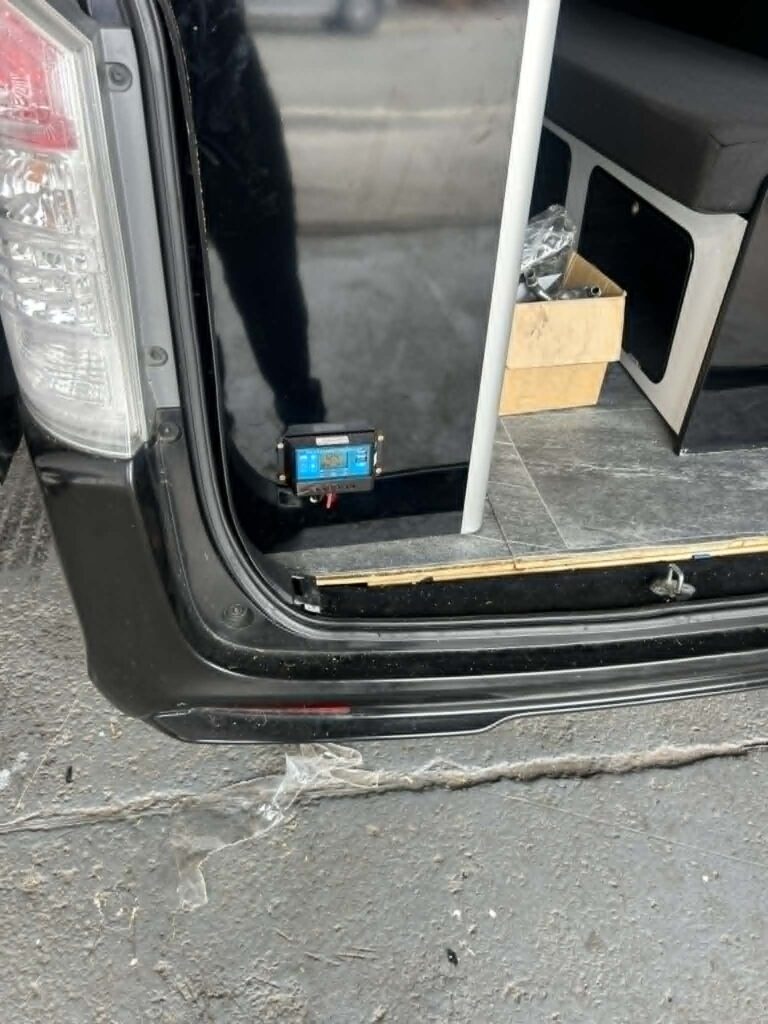
Solar gives the leisure battery another charging source. During daylight, the panels feed power through a solar controller into the battery system. That helps support the 12V side of the van.
Solar works best as part of a complete system. It should not be treated as the only answer to every power problem. Instead, it should work alongside driving charge and hook-up.
That is exactly what we created here. The split charge relay helps while driving. The hook-up helps on campsites. Meanwhile, the solar panels support the system during daylight.
Together, those three elements make the van much more flexible. The customer now has a setup that suits real campervan use, rather than a half-finished conversion that leaves them guessing.
If you want to explore a full build with solar, electrics, interior units and sleeping space, visit our full campervan conversion page.
Creating a 12V System That Works as It Should
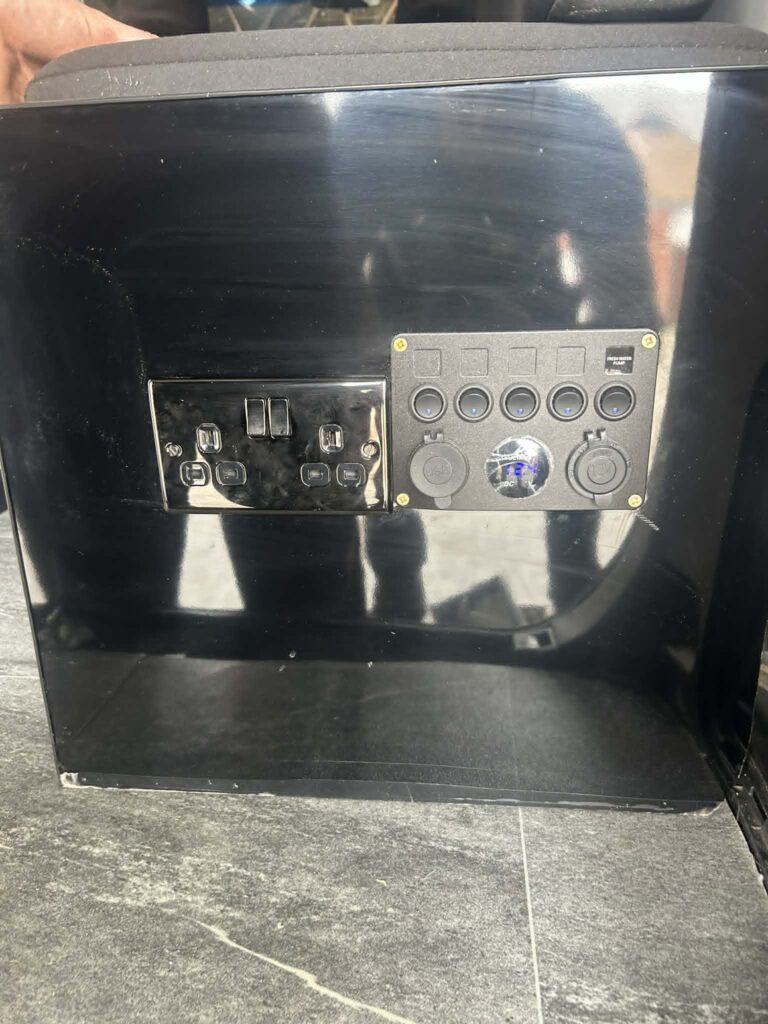
The 12V system is the side most campervan owners use every day. It often powers lights, USB sockets, water pumps, fans and other low-voltage equipment. Therefore, it needs to be clear and dependable.
In this van, the previous electrical setup did not support proper use. So, we rectified the system and gave the customer a working 12V setup. That changed how the whole van feels.
A good 12V system should not feel mysterious. You should understand what each switch controls. You should also know where your power comes from and how the battery charges.
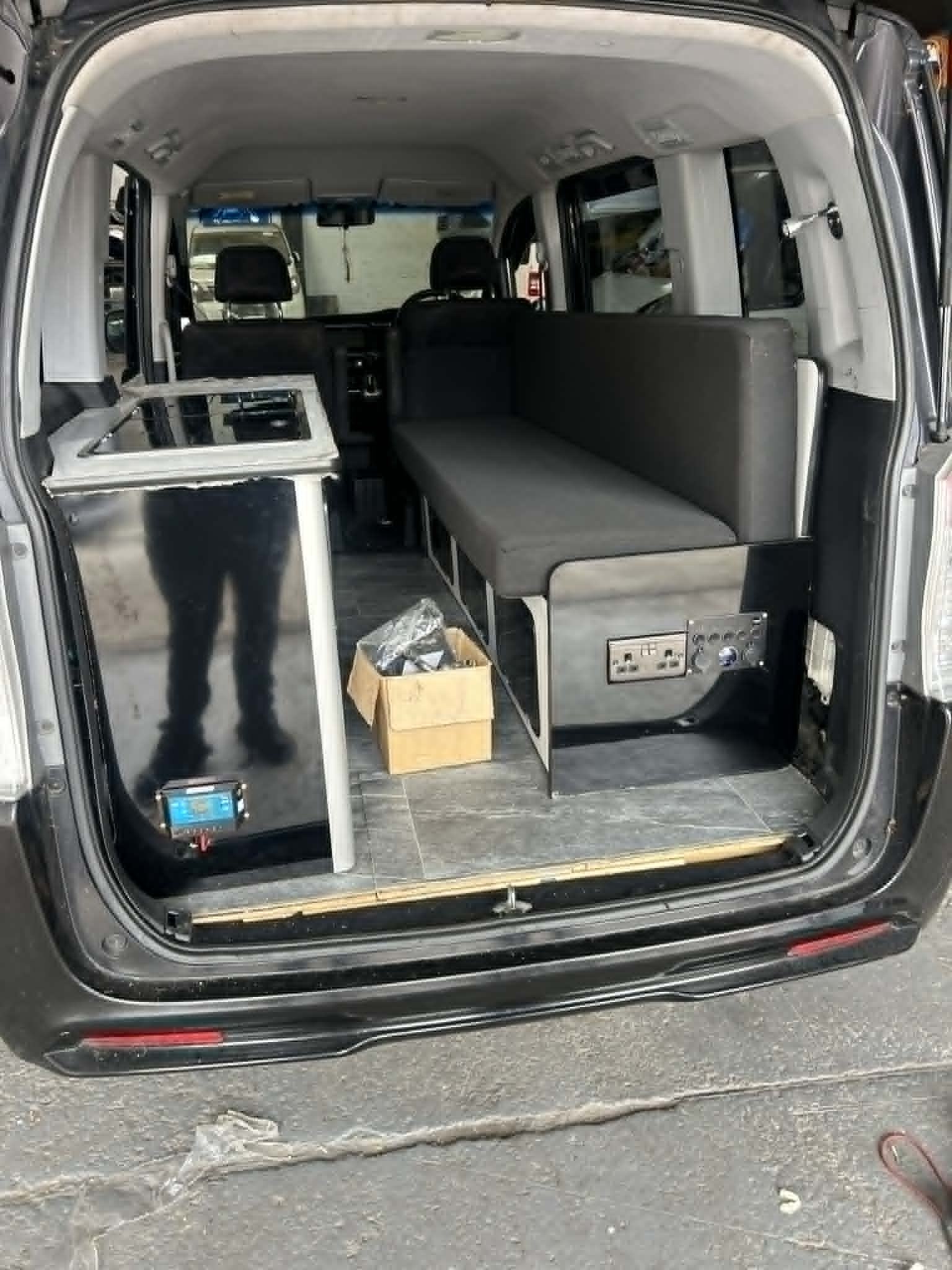
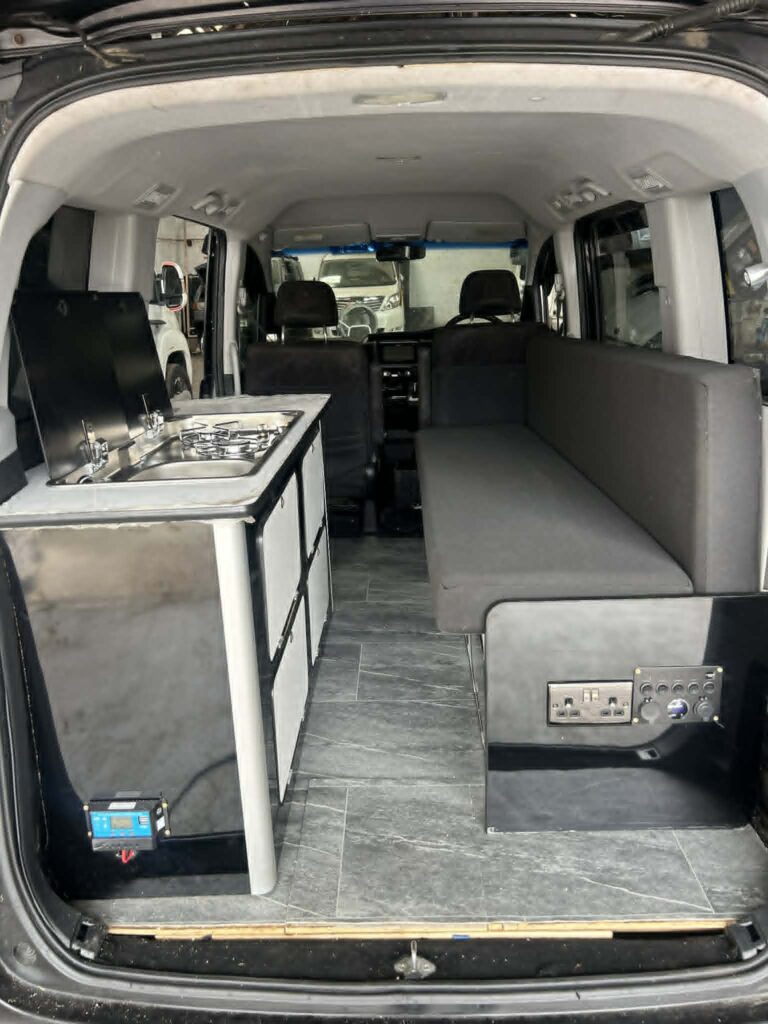
The photos show the finished control area, sockets and solar controller fitted neatly into the conversion. These details matter because they make the van easier to live with.
Usability is just as important as appearance. A beautiful camper that does not power basic equipment will soon frustrate you.
That is why we focus on practical layouts. Controls need to sit where the customer can use them. Sockets need to make sense. Charging points should support real life, not just look good on a specification sheet.
After our work, this van now has a proper electrical foundation. The customer can use it with far more confidence than before.
New Flooring to Finish the Interior Properly
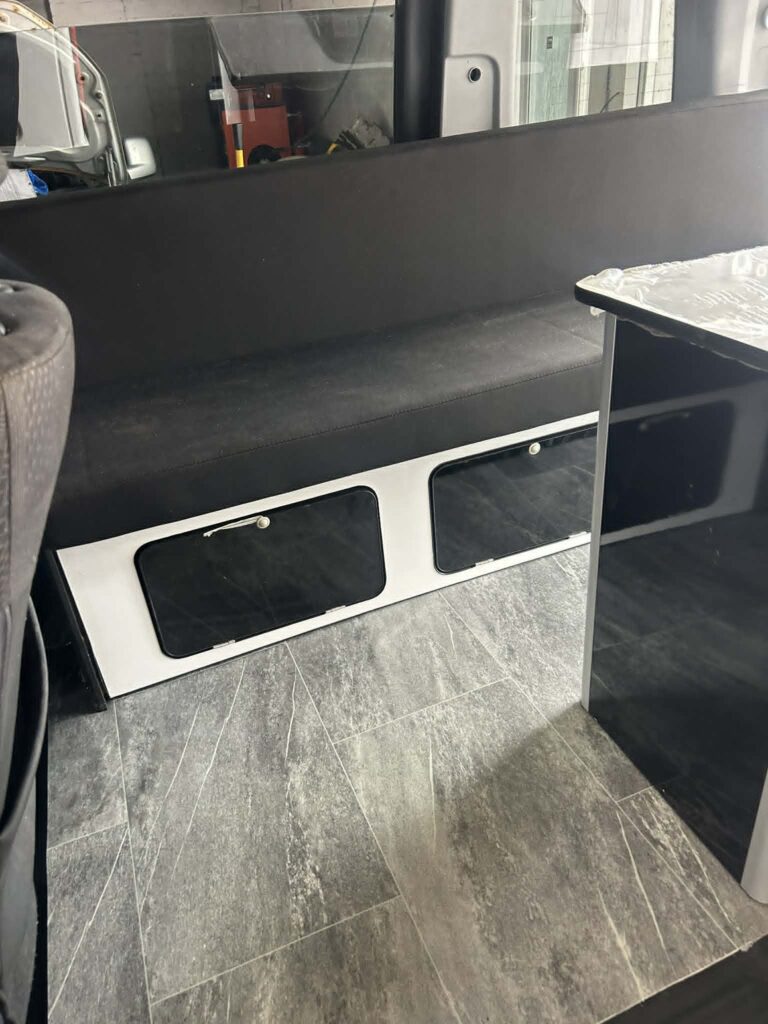
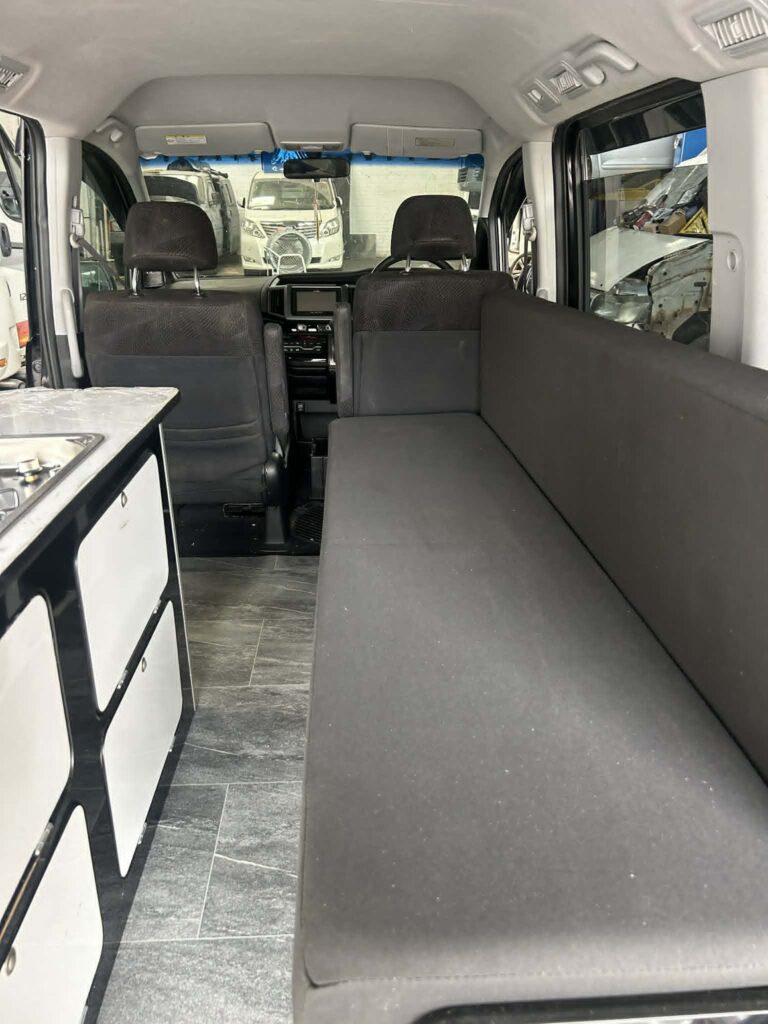
While the electrical work formed the main part of the job, we also fitted new flooring. This made a big visual difference inside the van.
Fresh flooring can transform a conversion. It ties the kitchen unit, seating area and rear living space together. It also helps the interior feel cleaner and more complete.
For this van, the new floor works well with the black and grey interior. It gives the space a smart, modern look without feeling too fussy. More importantly, it helps the van feel finished.
A campervan floor needs to handle real use. Muddy shoes, wet coats, dogs, campsite gravel and beach sand all find their way inside. So, the surface needs to suit practical camper life.
Good flooring makes a camper feel cared for. It also improves the first impression when you open the side or rear doors.
The customer’s van now looks far more complete inside. The electrical system gives it function, while the flooring lifts the whole finish.
That combination matters. A conversion should not only work well behind the panels. It should also feel good when you step inside with a brew in hand and a weekend ahead.
The Full Build Rectification: What We Completed
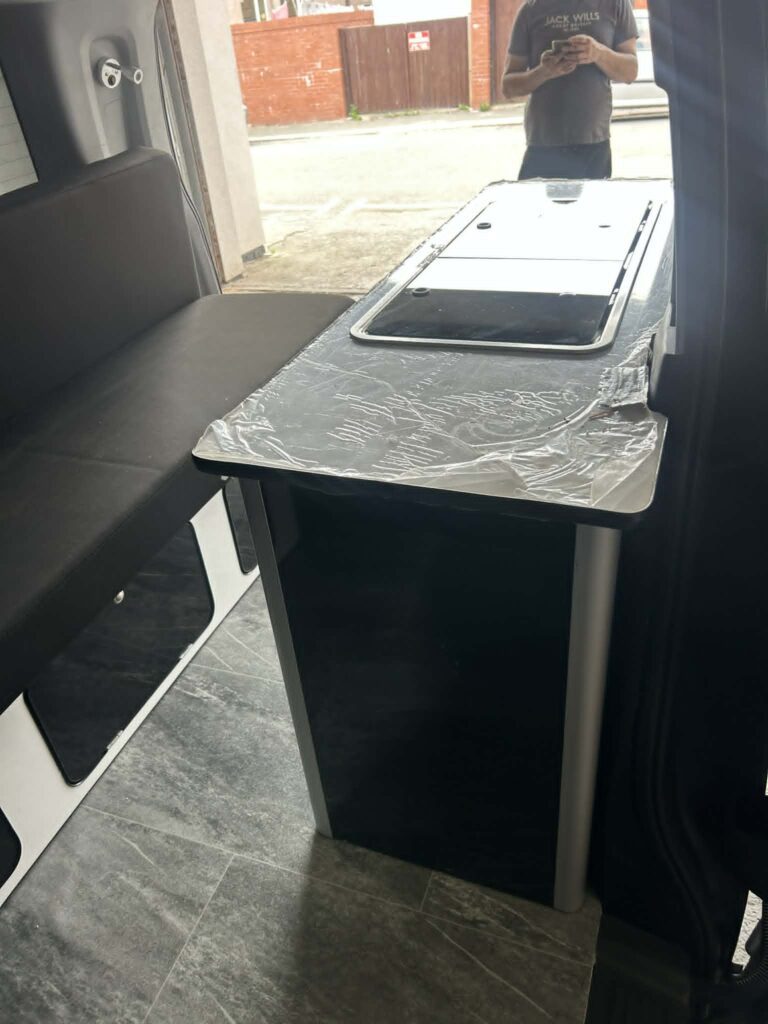

This project was not about adding one small upgrade. It was about taking a poorly converted van and making it work properly.
The customer needed the van brought up to a usable standard. So, we focused on the key areas that would make the biggest difference.
The work included:
- Brand new campervan electrical system
- Split charge relay fitted for charging while driving
- 240V hook-up installed for campsite use
- Working 12V system fitted and rectified
- Two flexible solar panels installed
- Solar charge controller fitted
- New flooring installed
- Controls and sockets positioned for practical use
- Interior checked and improved for everyday campervan use
Each part of the job had a clear purpose. The split charge relay supports charging on the move. The 240V hook-up adds campsite flexibility. The 12V system handles the everyday camper functions. Meanwhile, the solar panels add extra charging support.
As a result, the van now feels like a proper camper again. It no longer relies on guesswork, half-finished wiring or uncertain power.
The finished van is now far more practical, comfortable and ready for trips away.
Why Poor Conversions Cost More in the Long Run
A cheap or rushed conversion can seem like a bargain at first. However, the true cost often appears later. Poor wiring, weak materials and unfinished systems can all create problems.
You may spend money fixing one issue, then another. Before long, the “cheap” van becomes more expensive than a properly planned build.
That does not mean every older or DIY-built van is bad. Many owners do great work. However, campervan electrics need care, knowledge and the right parts. Flooring, furniture and fittings also need proper planning.
This campervan electrical system North Wales job shows why inspections are so useful. The customer came to us with a van that did not work as it should. We found the problems, explained the route forward and completed the work in-house.
If you are looking at buying a converted van, book an inspection before you commit. That small step can save a lot of stress later.
At Kinmel Campers, we offer free campervan inspections with no pressure. We can check the conversion, talk through concerns and explain what needs attention.
This gives you clear information before you spend more money. It also helps you avoid buying someone else’s unfinished project without realising it.
Why Choose Kinmel Campers?

Kinmel Campers has more than 30 years of experience with campervan conversions, repairs, welding, interiors and restoration work. We understand how a van should work, not just how it should look.
We carry out work in-house at our Rhyl workshop. That means we can inspect the van properly, plan the work and keep control of the quality. You deal with a team that understands the full picture.
We also believe in honest pricing and clear advice. If your van needs a simple fix, we will say so. If it needs a more serious rectification, we will explain why.
For this customer, the van needed a proper electrical rebuild, solar support, hook-up and new flooring. Once complete, the camper became far more usable and enjoyable.
We do not believe in hiding problems behind pretty panels. A campervan should work properly, feel safe and make your trips easier.
You can learn more about the business, our experience and our workshop values on the Kinmel Campers About Us page.
Final Thoughts on This Campervan Electrical System North Wales Project
This van came to Kinmel Campers with a very poor conversion and an electrical setup that did not do its job. The customer needed the van rectified, upgraded and made genuinely usable.
Our team fitted a brand new electrical system, split charge relay, 240V hook-up, working 12V system, two flexible solar panels and new flooring. The result is a much smarter and more practical campervan.
A campervan electrical system North Wales upgrade can completely change how your van feels. Instead of worrying about what works, you can focus on where you want to go next.
If you have bought a poorly converted van, or your existing setup does not feel right, bring it to Kinmel Campers for a free inspection. Visit kinmelcampers.co.uk and use the booking form to get honest advice from our Rhyl workshop.